Reverse Brick Veneer
Explore our collection of Reverse Brick Veneer
featured on Lunchbox Architect.
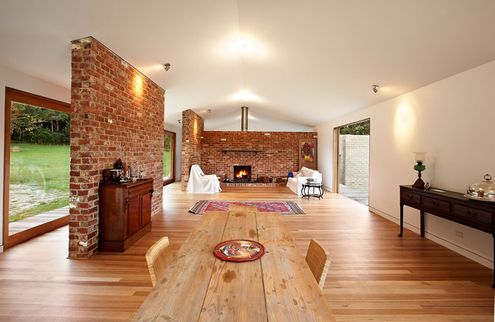
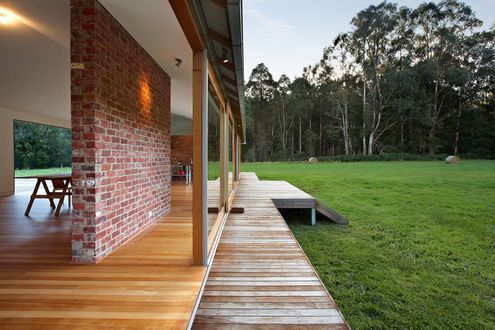
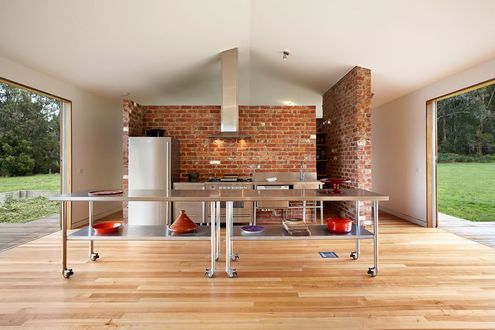
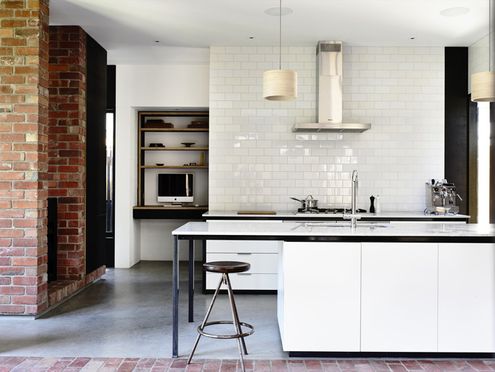
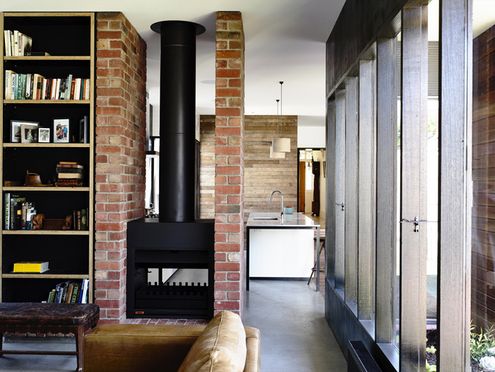
Reverse brick veneer is a way to utilise the thermal properties of bricks to keep your home cooler in summer and warmer in winter.
Reverse brick veneer works by putting the bricks on the inside, and using a lightweight material with plenty of insulation in between to benefit from the inherent thermal mass properties of bricks. When combined with other passive design principles, reverse brick veneer can be an effective (and attractive) way to reduce energy use and increase thermal comfort in the home.
Not convinced? Here are some beautiful examples of reverse brick veneer for your inspiration:
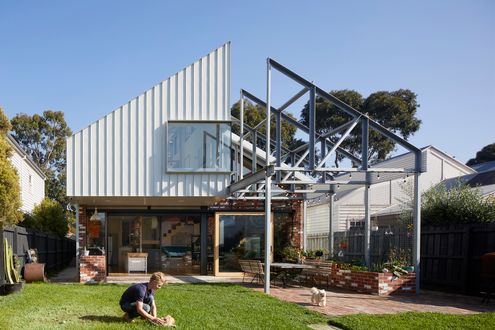
This house crossed with a warehouse is the perfect live/work space for a family who are always making or doing something...
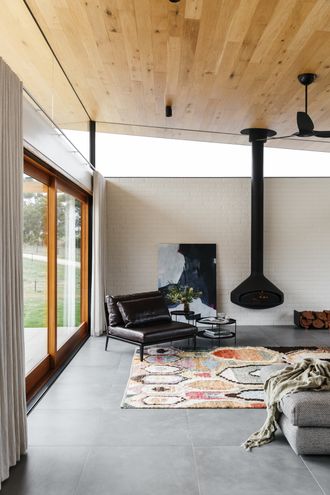
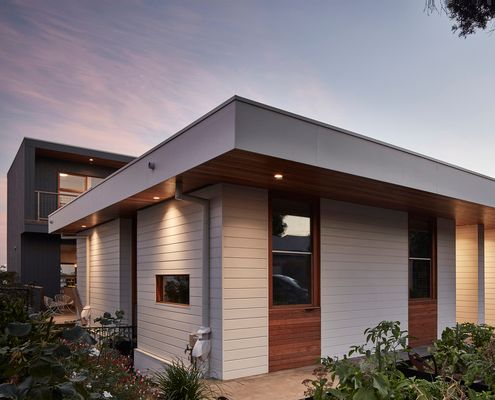
When you think of an off-grid house you typically imagine a remote cabin in the bush, but these eco-townhouses tell a different story.
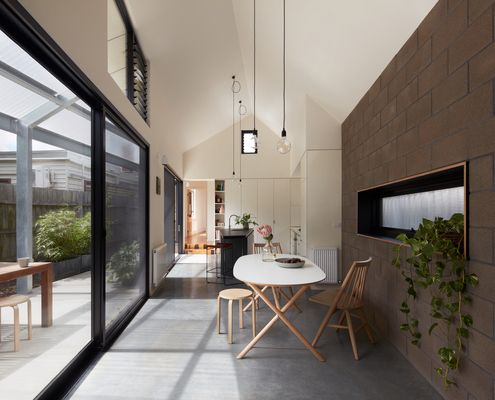
On a long, narrow site, a courtyard is cleverly cut into this addition to allow the sun to stream into new living spaces.
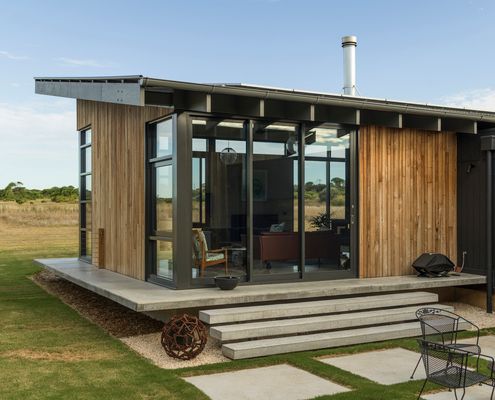
With views over the golf course, the architect achieved a mid-century-inspired design, while adhering to local design guidelines.
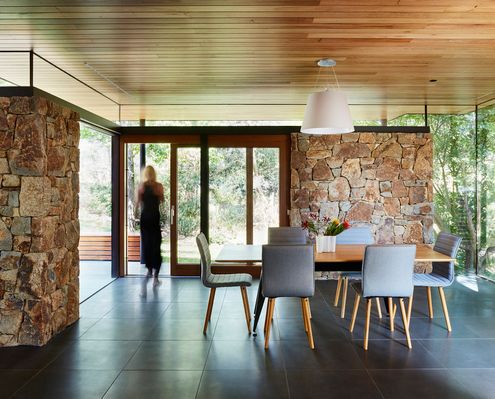
A home rich with character is updated to improve comfort, privacy and connection to the landscape without losing its vintage feel.
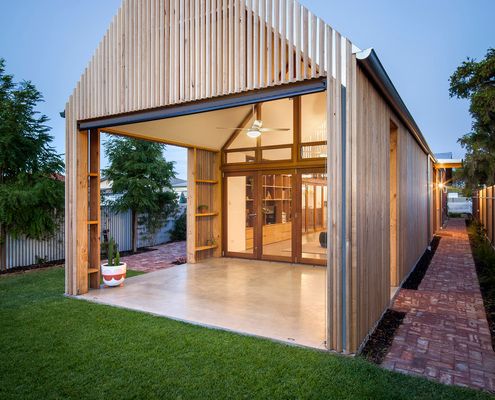
What happens if you take historic Adelaide housing and give it a modern, considered and environmentally conscious twist?
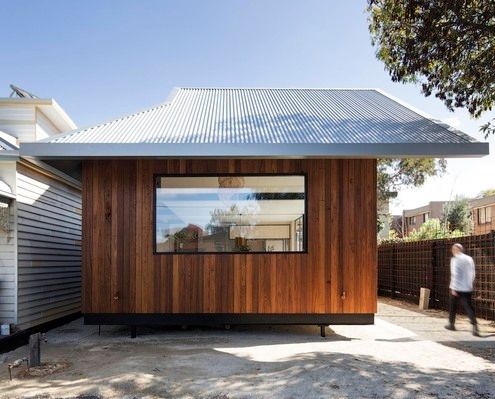
From the street this modern take on the other single storey cottage in the neighbourhood. But things get interesting quickly...
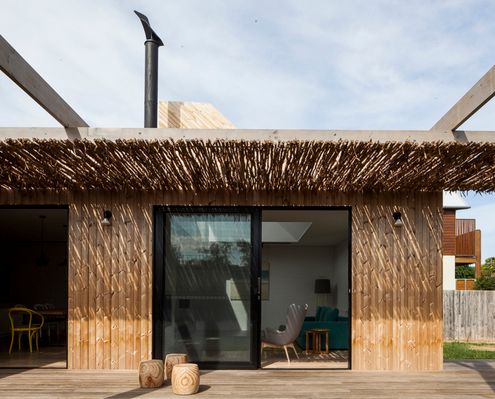
This robust home for a family of six will be knocked about by the young family and accumulate character through the passage of time.
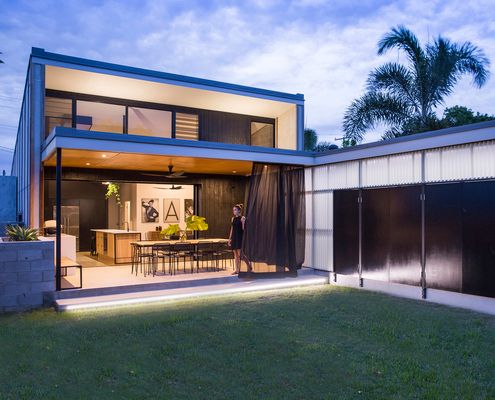
By creating outdoor covered spaces for dining and car parking Laneway House manages to pack a lot of space onto a tight site.
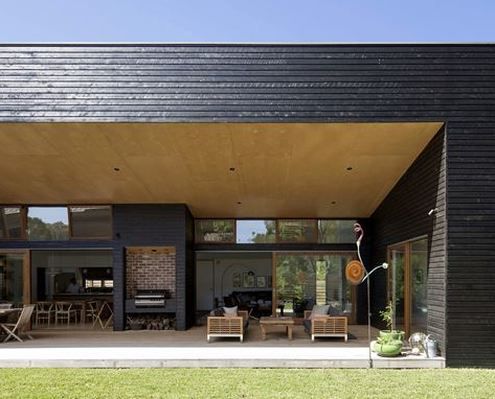
This welcoming house has a verandah so generous it blurs the line between a courtyard house and a traditional Australian verandah.